
FENCES & GATES · CARPENTRY ADVICE
Why is a timber paling fence leaning?
A timber fence can lean because a post, footing, rail or connection has moved or deteriorated. Replacing loose palings alone will not correct a failing support. The affected length and condition of the retained sections guide repair or replacement.
We can help with:
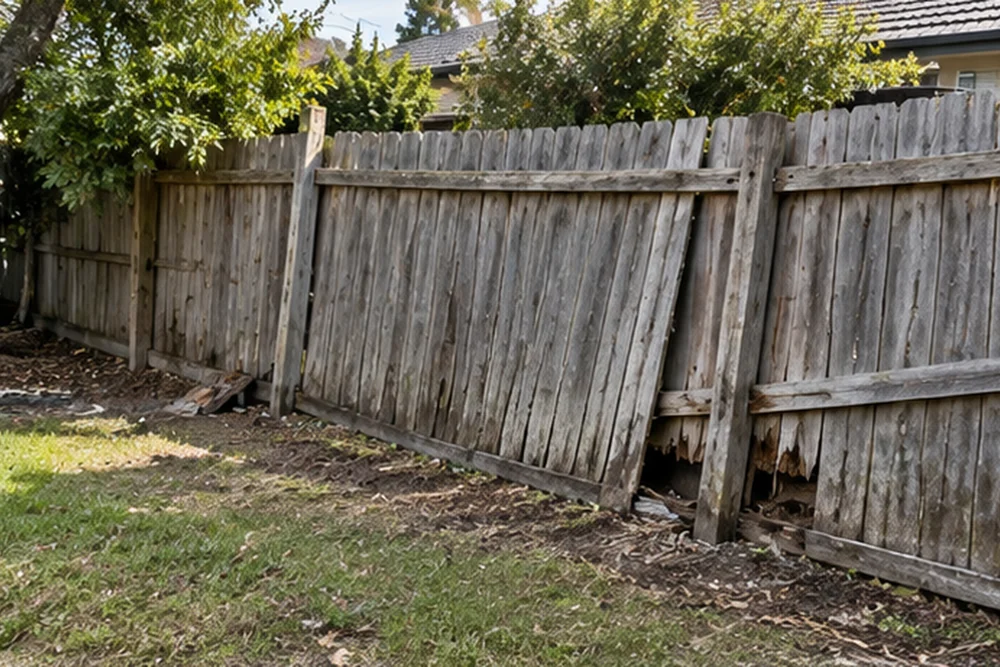
How we assess a leaning fence
A leaning timber fence can involve a post, footing, rail or connection. Palings are the visible boards, so they may look serviceable even when a support is failing. Replacing loose palings cannot correct every lean. The first useful distinction is whether movement is around one post or continues through several bays, with the adjoining sections assessed before a repair boundary is agreed.
We inspect the leaning pattern, post bases, rails and connections and consider recent weather or ground changes. A damaged support can affect several otherwise usable palings, so the assessment establishes the cause and retained sections before a replacement count is agreed.
Posts, rails and palings lead to different scopes
We inspect the posts, rails and palings together and identify which parts remain suitable. Where a damaged post has affected otherwise sound rails or boards, we plan support, post replacement and refitting as one repair. For an isolated broken paling, we check its fixing material before fitting a matching board.
We assess wetting, ground levels and the accessible footing detail around damaged posts. The repair plan defines support, post replacement and how retained rails and gate connections are reinstated. Leaving the support fault unresolved can allow the fence to lean again after new boards are fitted.
Can a post be replaced while keeping the fence boards?
Partial repair may be possible when retained rails and palings remain suitable and can be handled without creating further damage. Keeping older material can reduce unnecessary replacement, but dismantling and refitting also involves labour and uncertainty. A section that looks sound from one side may have poor fixing points on the other, so retention should follow assessment.
Where several supports or rails are damaged, we explain a longer replacement alongside local repair. Both options identify the affected run, retained timber, access and finish, so the difference in the completed work and price is clear.
The matched fence and gate details we assess
We match the proposed board profile, dimensions and finish against retained timber and check any connected gate. Its swing, hinges and latch are included in the assessment. New timber may remain visibly different beside weathered boards, and that finish is discussed with you.
Describe the existing arrangement and whether you want a local repair or a changed fence design. Altering height, layout or use introduces questions beyond matching an old board. Discuss relevant project requirements before accepting a changed design. Our sagging gate guide explains why post movement and gate alignment belong together.
Settle access and property arrangements before booking
We arrange the required access with authorised property contacts and plan around pets, planting and site restrictions. The written quote defines the physical fence repair and its access assumptions. Shared-property agreements are confirmed before boundary work is booked.
We quote for removal, post repairs, refitting retained boards, disposal and finishing. We confirm tenant or neighbour access with you when arranging the work. Use our enquiry form or email optional photos to brian@elliservices.com.au. Our completed courtyard fence photographs show timber framing with corrugated infill and lattice.
Our assessment of the affected fence run
Send your suburb, an approximate affected length if known, the fence type and the change you have noticed. Optional safe photos should show the run from an accessible position, not only one damaged paling. Mention whether the gate is affected and whether both sides can be accessed. Existing repair records can help explain why a previous patch has failed.
For timber fence repairs, we specify post, rail and paling work, removal and finish, with any additional findings explained before scope changes. The inspection establishes how much sound fence can stay and which support faults need attention.
Fences & gates: common questions
Can new palings straighten a leaning fence?
Not when the lean comes from a post, footing or rail connection. Supporting components need assessment before the paling work is defined.
Does the repair quote decide who pays for a shared fence?
The quote defines the physical work and planned access. We confirm the authorised property arrangements before booking shared-boundary work.
Why do timber fence posts rot at ground level?
Repeated moisture exposure around ground level can affect timber post bases. Ellis inspects the post, footing and surrounding drainage and specifies the replacement and connection detail for the affected fence section.
RELATED SERVICE
Timber Fence Repairs
We repair timber paling and picket fences, including posts, rails and damaged boards. Our assessment identifies sound sections to retain and explains local repair or replacement of the affected run.
Explore timber fence repairs in Canberra ↗