
FENCES & GATES · CARPENTRY ADVICE
Why does a timber gate sag or stop latching?
A sagging gate can involve loose hinge fixings, a distorted gate frame or movement in the supporting post. The latch is often where the symptom appears. Adjusting it alone can leave the cause unresolved.
We can help with:
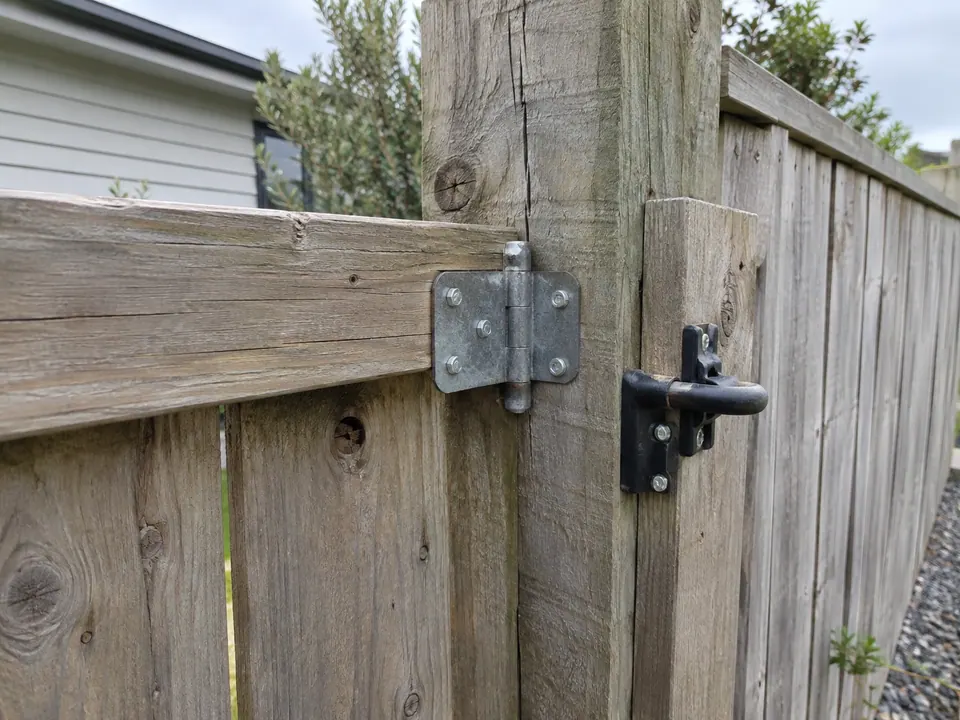
A latch problem can begin at the post
A timber gate transfers its weight through the frame and hinges into the supporting post. When that support moves or a fixing loses its hold, the latch can be the first place you notice the change. Moving the latch may make it close briefly without correcting the cause. Start by describing the leaf, hinges, post and ground clearance as one assembly.
We inspect the gate’s gaps, hinges, frame and supporting post together to locate the cause of sagging. Loose fixings or a moving post can shift the latch and place more strain on the assembly. The repair plan addresses that support before final adjustment.
Loose hinges need a suitable fixing point
Ellis checks hinge hardware, the timber around the screws and the support-post base. The assessment distinguishes hardware adjustment from timber and post repairs so the gate has suitable fixing points.
We retain a serviceable gate leaf where hinge, post or fixing repairs will restore its operation. We replace distorted or damaged timber where needed, fit compatible hardware and adjust the latch. Our quote explains the retained and replacement parts and the finishing included.
Dragging can follow rain or a change in the ground
We check where the gate drags and compare ground clearance, paving changes, timber swelling and frame alignment. Seasonal movement and a raised ground edge can require different responses; the cause determines adjustment or repair rather than repeated trimming alone.
We establish the intended swing, clearance and latch operation before proposing an alteration. Correcting alignment and support can avoid unnecessary cutting. Where the gate serves a pool barrier or powered access system, its relevant requirements are incorporated into the repair arrangements.
Repair and replacement options for the gate
Retaining an otherwise suitable leaf can preserve a matching fence appearance. Its size, weight, condition and available hardware still need to suit the repaired supports. A new leaf fitted to a failing post may develop the same symptom. Conversely, replacing a post does not correct every distorted gate frame, so ask which part is driving the proposed scope.
When comparing options, include the post or footing work, leaf repair, hinges, latch, removal and finish. Discuss whether new timber will match the weathered fence closely enough for your needs. A changed opening width or design should be described explicitly. Read leaning fence repairs if the supporting fence line is moving as well.
Access and hardware supply affect the practical job
We plan the work around property access, pets, security and tenant arrangements, with access permission confirmed before attendance. Supplied hardware is checked against the existing gate so the installation uses compatible parts and the opening can be handed back as agreed.
We confirm support work, hardware, retained timber, disposal and finishing in the repair quote. Any concealed findings and added price are explained before extra work. Contact us through the enquiry form or brian@elliservices.com.au; our completed courtyard gate photographs shows a completed installation.
Describe the movement, then arrange the repair assessment
Send your suburb, the gate location and whether it drags, misses the latch or has loose hinge fixings. Optional safe photos of the whole opening, the hinges and the post base are useful if they can be taken without moving the gate. Include any known change to paving, drainage or the adjoining fence.
For timber gate repairs, we inspect the supports, retain suitable components and repair the timber and fixing points. We include any latch or hardware work needed in the plan, then check the gate’s swing, clearance and closure after adjustment.
Fences & gates: common questions
Can moving the latch fix a sagging gate?
We check the post, hinge fixings and frame before setting the latch. Latch adjustment alone may allow closure without correcting the movement that caused the fault, so the support repair is established first.
Does a timber gate repair include its motor?
We assess the timber and hardware and identify any powered-drive or access-control work needed. The repair plan coordinates those stages with the appropriate qualified service before final gate operation is checked.
Why does a timber gate sag?
A moving post, loose hinge fixings or a distorted gate frame can change the clearance and latch position. We repair or adjust the affected parts as an assembly and check operation at completion.
RELATED SERVICE
Timber Gate Repairs
Timber gate repairs for dragging garden and side gates, loose hinges, damaged frames and moving posts. Alignment is checked across the complete gate assembly.
Explore timber gate repairs in Canberra ↗