
TIMBER CARE · CARPENTRY ADVICE
Why does timber rot return after a repair?
Timber rot can return when moisture keeps reaching the component, decay remains beyond the earlier repair or the replacement detail traps water. A new painted surface alone does not show that the cause and damaged material were addressed.
We can help with:
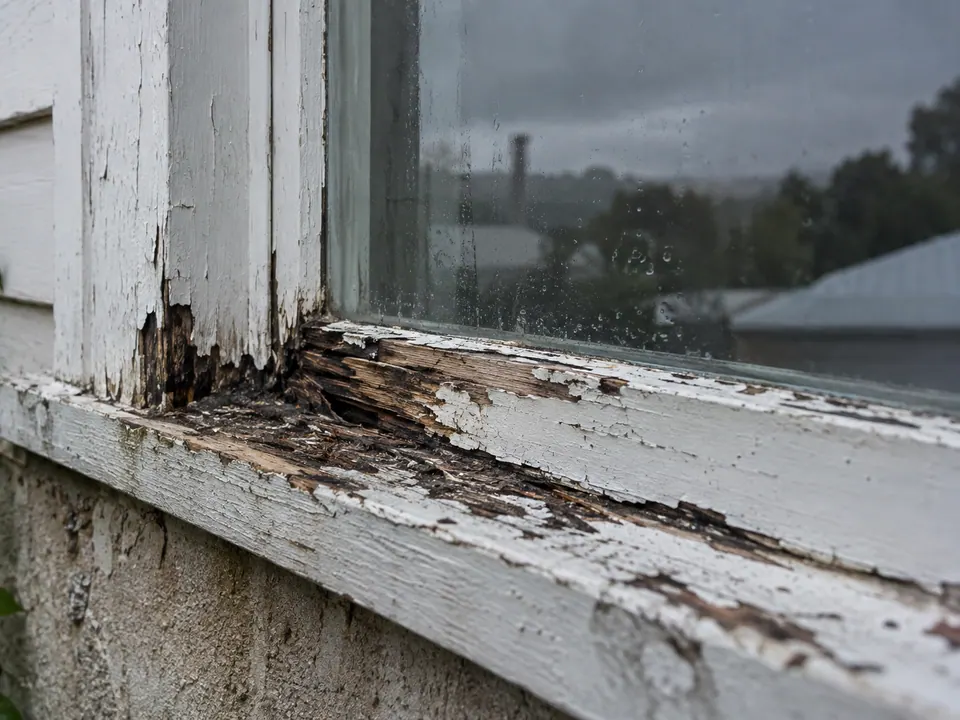
A repeated patch needs a cause review
When timber deteriorates again after repair, Ellis checks recurring wetting, water-trapping details and damage around the earlier repair. We review what was retained and plan the timber and moisture-related work together.
We review the previous repair, available records and the location of recurring damage. Comparing the affected timber, surrounding joints and known leaks helps establish whether decay extended beyond the old patch or moisture is still reaching it.
Weathering, decay and insect damage are different questions
We inspect the damaged timber, connections and moisture source to distinguish decay from suspected insect damage. We plan timber replacement around any pest treatment needed and incorporate the findings into the repair, so the cause and damaged material are addressed together.
You can contact us about the affected timber at any stage. We inspect the damage and plan the repair sequence, including any pest treatment or structural input needed before replacement. Existing reports can help us prepare if you have them.
How we trace the moisture source
A sill, fascia, deck edge and fence post have different surroundings. Discuss roof or gutter leaks, ground contact, changed drainage, open junctions and water that remains after rain where relevant. The same filler or coating is not a universal answer for all these locations. WoodSolutions provides resources on assessing moisture-affected timber, which supports treating moisture as an assessment topic rather than a cosmetic defect.
We identify the trade responsible for the moisture source and how that work fits with timber repairs. Roofing, plumbing and drainage defects may need their respective specialists. The repair should not be closed up while the cause remains unresolved, and sealing must preserve the component’s intended drainage and ventilation.
Why the retained timber matters as much as the new piece
A replacement section needs suitable retained material and connections. Damage extending behind paint or into a junction may make the repair larger than the visible soft spot. A local splice is considered where its boundary and connection can be justified; widespread or connected damage can require replacement of the full component or a wider assembly.
We establish the component’s supporting role, the sound timber boundary and any structural input before specifying repairs. Filler may form part of a surface finish, but it cannot replace decayed support material. Inspection access and the response to concealed damage are agreed before opening up.
Use the component’s own repair and finishing detail
For a window, profile and water shedding need consideration; at a fascia, the gutter and roof edge may influence access and recurrence. A deck repair needs boards and supporting components separated. Our window-sill guide and deck board and frame guide explain these boundaries in their own settings.
We specify replacement material, exposed-edge protection and the agreed paint, stain or oil finish. The care information follows that product and exposure. Continuing leaks are addressed in the plan because a new coating alone cannot stop renewed decay. Contact us through the enquiry form or brian@elliservices.com.au for an assessment.
Give the repair history and agree the next decision
For rotten timber repairs, we assess the repeated defect, moisture source and connected members, including load-bearing components where affected. Existing reports and photographs help preparation. The plan establishes support, access and the replacement sequence, with unstable areas kept out of use pending assessment.
We define retained and replacement timber, moisture-source work, access, removal and finish from the assessment. Any extra findings and required checks are explained before scope changes. The repair addresses the cause and affected material together, rather than relying on appearance alone.
Timber care: common questions
Will filler and paint prevent recurring rot?
They do not remove a continuing moisture source or establish sound supporting timber. The component condition and water path determine the repair.
What should I keep from an earlier repair?
We review the earlier quote, available photographs and material or coating details to compare the repair with new damage. Leak or pest reports help identify related specialist work, while the site assessment determines the current timber scope.
What is the difference between surface weathering and timber rot?
Weathering affects the exposed finish and timber surface; decay can affect the material and connections beneath. Ellis inspects the affected section and explains the repair options in your quote.
Why does repaired timber keep rotting?
Persistent moisture or damage extending beyond an earlier patch can cause repeat deterioration. Our repair plan identifies the water path, removes affected material to suitable retained timber and defines the protective finish.
How is suspected termite damage different from timber decay?
Decay and insect damage have different causes and can coexist. Ellis assesses the remaining timber and uses available pest findings to plan the repair; suspected active pest activity requires treatment before replacement is completed.
How do you plan repairs to damaged supporting timber?
We inspect the affected member, connections and site access, then plan temporary support, replacement and moisture-related work. We incorporate any required structural input before removal and confirm the repair and finishing with you.
RELATED SERVICE
Rotten Timber Repairs
Rotten timber repairs begin with the affected component, moisture source and sound material that can be retained. The scope follows the damage and the timber’s role.
Explore rotten timber repairs in Canberra ↗