
WINDOW REPAIRS · CARPENTRY ADVICE
Can a rotten timber window sill be repaired?
Ellis checks the sill and adjoining frame to identify timber that can be retained, the extent of replacement and the source of moisture. We then explain the repair options and quote.
We can help with:
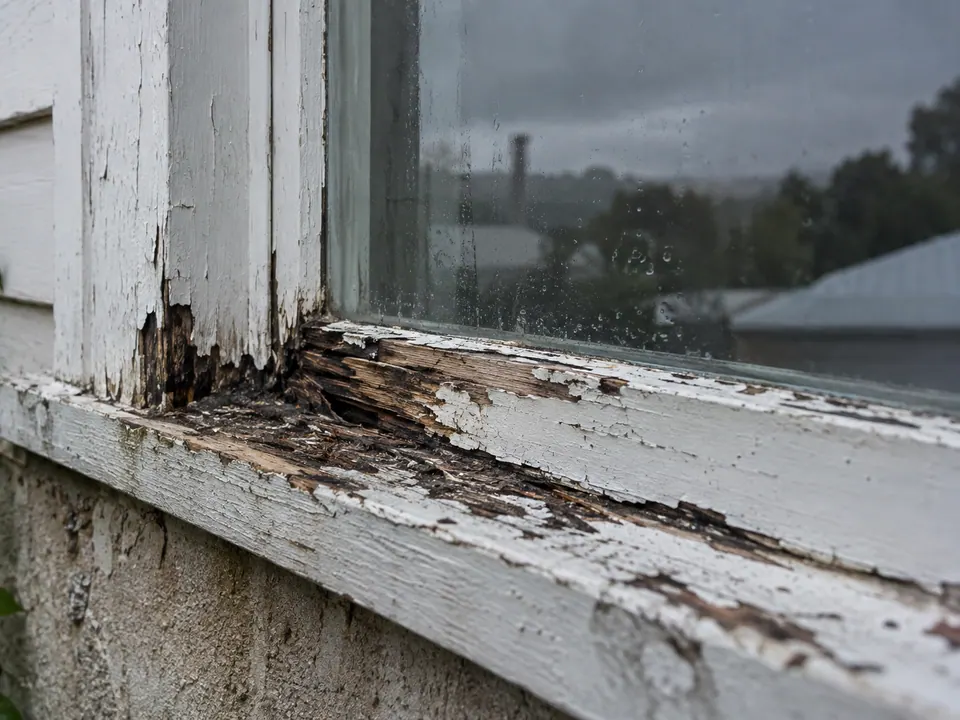
Our inspection of the sill and adjoining frame
A timber window sill can sometimes be repaired locally, but the remaining material and adjoining frame must be suitable for the proposed connection. Decay at both ends, through the sill or into a side frame can require a larger repair. The size of a stain or a patch of peeling paint is not a reliable cutting line, and a sound-looking coating can conceal deterioration.
We inspect cracked coatings, open joints, staining and window operation, then trace the likely moisture path and extent of damage. The assessment establishes a local splice, sill replacement or wider frame repair. Persistent water entry can continue damaging adjoining timber even after a surface patch.
Why the sill shape and water route matter
A sill is more than a horizontal piece of timber under glass. Its profile, projection and junctions affect how the opening sheds water. Ends meet the side frames and may be concealed by other trim. A replacement that looks similar from indoors can still change an outside detail, so discuss function as well as appearance when choosing the repair.
We assess rain exposure, drainage details, joints and any earlier sealing work alongside the sill repair. Understanding how water reaches the timber helps define the replacement and finishing needed to avoid repeating the same local patch.
Local splicing and sill replacement options
A local splice replaces a defined damaged section while retaining suitable timber around it. This may preserve the existing opening and its character, but it relies on a viable join and a compatible profile. Longer sill replacement can be more practical where damage is continuous or the retained ends cannot provide suitable connections. Neither option follows a universal percentage rule.
We specify retained lengths, replacement profile, material and exposed-edge protection. Where the adjoining jamb or sash is affected, the proposal covers the wider repair. Surface filler may suit defined finishing work, but it does not replace decayed supporting timber.
Separate glazing, sash operation and timber work
We assess a dropping or sticking sash separately from the sill, including its balance, cords, hardware and retained timber. These operating faults can remain after sill replacement unless their cause is addressed. A sash that cannot stay supported should remain out of use until assessed.
We check the glazing condition and access when planning frame repairs, and coordinate any glass removal or replacement with a glazier. The quote distinguishes timber repairs and glazing work; timber window repairs is the starting point for defining the timber work.
Our profile matching and painting plan
Photographs of the whole window and the affected corner help discuss a match. A measured section or supplier profile may still be needed before ordering. Species, dimensions, existing finishes and access around the opening affect the proposal. A visually close profile should also preserve the intended drainage detail, rather than merely reproducing an indoor edge.
We confirm preparation, priming and painting for the repaired area, full sill or surrounding frame. For heritage-listed properties or specific consent conditions, we review the relevant requirements before planning alterations. Use our enquiry form or email photos to brian@elliservices.com.au. See our three timber window projects in Canberra from 2026, covering timber maintenance, repairs, refurbishment and repainting.
From site assessment to a window repair plan
We establish the window type, location, external access and any rain-related dampness during assessment. Earlier repair records and photographs are useful references. The plan defines timber replacement, sash or glazing dependencies and finishing for the affected opening.
Request a scope that distinguishes timber repair, leak investigation, glazing, access equipment, removal and finish. If more damage is found during agreed access, ask for the finding and proposed change before extra work begins. For a corner that has already been patched, read why timber rot returns too. A lasting repair decision begins with the retained timber and the wetting source, not a fresh topcoat.
Window repairs: common questions
Can a repair match the existing sill profile?
We measure the profile and drainage detail, compare suitable replacement material and agree the finish with you before ordering. Appearance and function are considered together so the new sill joins the retained frame appropriately.
Will painting stop the sill rotting again?
A suitable coating protects sound timber. Ellis checks recurring water entry and trapped moisture alongside the affected timber to plan the repair and finish.
How can I tell whether a timber window sill is rotten?
We inspect softened timber, failed coatings and deteriorated joints to establish the sill damage and moisture source. The findings determine local replacement or wider frame work; addressing the cause helps protect adjoining retained timber.
When can a timber window be repaired rather than replaced?
A repair retains timber and connections that are suitable for continued use and replaces the affected sections. We assess the complete opening before comparing local repair with wider frame or sill replacement.
Why will a sash window not stay open?
A sash that drops can have a balance, cord, hardware or fixing fault. Stop relying on the unsupported sash and arrange an assessment; Ellis checks the mechanism and timber support before defining the repair.
RELATED SERVICE
Timber Window Repairs
Timber window repairs for damaged sills, lower rails and frame sections. Compare local replacement with wider repairs while considering glass retention and water entry.
Explore timber window repairs in Canberra ↗